Source integrated industrial motherboard for Medical, Automotive, and Automation
Explore 30 listings for integrated industrial motherboard options featuring multilayer designs, various memory capacities, and diverse chipset support. Buyers can compare specifications including SATA interfaces, layer counts, and certifications to find suitable solutions for medical, automotive, and automation applications.
Key considerations
Products List


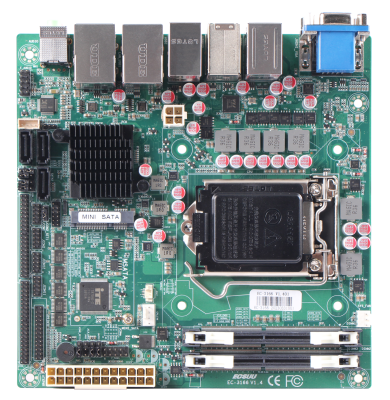


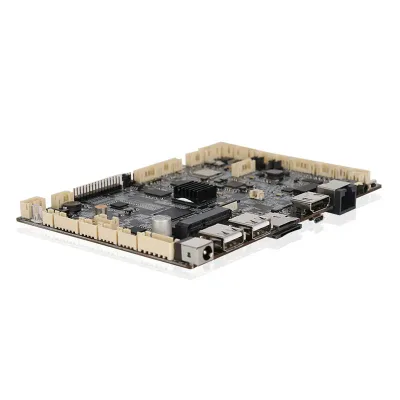
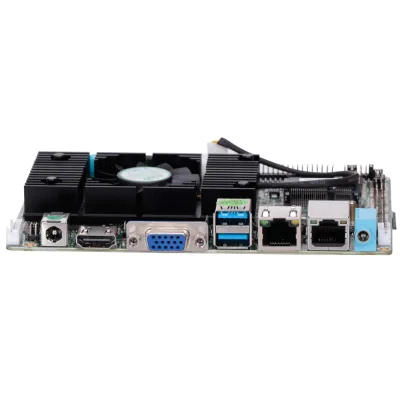


Comprehensive Sourcing Guide
Strategic Sourcing Guide for Integrated Industrial Motherboards
Procuring integrated industrial motherboards requires a disciplined approach that balances technical precision with rigorous supply chain verification. Unlike consumer-grade computing hardware, industrial motherboards must withstand harsh environments, ensure long-term component availability, and maintain strict compliance with safety and environmental standards. The market offers a diverse array of configurations, from compact Mini-ITX forms to specialized multi-layer designs, each demanding specific evaluation criteria. This guide outlines the essential factors for sourcing these critical components, focusing on the technical specifications, compliance frameworks, and quality assurance protocols observed in the current supply landscape.
Technical Architecture and Layer Configuration
The foundational architecture of an integrated industrial motherboard dictates its performance ceiling and environmental resilience. Buyers must first assess the layer count, as this directly influences signal integrity and power distribution capabilities. Market observations indicate that industrial-grade boards frequently utilize multilayer structures, with configurations ranging from standard 1-24 layers depending on the complexity of the circuitry. High-density designs often employ six-layer architectures to support advanced signal routing, particularly when integrating complex chipset solutions.
The physical composition of the board is equally critical. The base material typically consists of fiberglass epoxy, providing the necessary mechanical rigidity and thermal stability. Specific product data highlights the use of FR-4 materials, which are standard for their flame-retardant properties. The dielectric properties of these materials are essential for maintaining insulation integrity under varying thermal loads. Furthermore, the surface finishing process plays a pivotal role in solderability and corrosion resistance. Common finishing technologies observed include HASL (Hot Air Solder Leveling), ENIG (Electroless Nickel Immersion Gold), OSP (Organic Solderability Preservative), and immersion silver. The selection of a specific finish depends on the application's requirement for high-frequency performance or long-term storage stability.
Board thickness is another variable that requires careful specification. Available configurations span a range from 0.2mm to 4mm, allowing engineers to select the optimal profile for their specific enclosure constraints. The mechanical rigidity of the board ensures that it can support heavy components, such as large capacitors or heat sinks, without warping. In applications requiring extreme durability, the board structure is often integrated to minimize the number of connectors and potential failure points, aligning with the "Integrated Main Board Structure" attribute observed in industrial specifications.
Compliance and Certification Verification
Navigating the regulatory landscape is a non-negotiable aspect of industrial procurement. Industrial motherboards must adhere to a stringent set of certifications to ensure safety and environmental compliance. The supply chain data reveals a robust presence of ISO certifications, specifically ISO9001 and ISO13485, which validate the manufacturer's quality management systems and their capability to produce medical-grade or high-reliability electronics. Additionally, the UL94V-0 certification is frequently cited, indicating that the materials used in the board construction meet the highest standards for flammability resistance.
Environmental regulations are equally paramount. The RoHS (Restriction of Hazardous Substances) directive is a standard requirement, ensuring that the board is free from lead and other hazardous materials. In many cases, this is paired with CCC (China Compulsory Certification) and CE marking, which are essential for market access in various regions. The presence of SGS certification further corroborates the quality and safety of the materials used. Buyers must verify that the specific model they are sourcing carries these certifications, as the absence of any single mark could indicate a deviation from compliance standards.
The following table summarizes the key certifications and their implications for industrial procurement:
| Certification | Primary Implication | Relevance to Industrial Use |
|---|---|---|
| ISO9001 | Quality Management System | Ensures consistent manufacturing processes and defect reduction. |
| ISO13485 | Medical Device Quality | Critical for boards intended for medical or life-support equipment. |
| UL94V-0 | Flammability Rating | Guarantees the material will self-extinguish and not spread fire. |
| RoHS | Hazardous Substance Restriction | Mandatory for environmental compliance in most global markets. |
| CE | European Conformity | Required for sale and use within the European Economic Area. |
| SGS | Third-Party Verification | Provides independent validation of product safety and quality. |
Cost Drivers and Production Economics
Understanding the cost structure of industrial motherboards is essential for budgeting and total cost of ownership analysis. The price range in the market is broad, observed between $0.11 and $400, reflecting the vast difference between simple rigid boards and complex, fully integrated systems with advanced chipset capabilities. Several factors drive these costs. The number of layers is a primary driver; a 24-layer board requires significantly more processing time and material than a 2-layer board. Similarly, the choice of surface finish impacts cost, with ENIG and immersion gold being more expensive than HASL due to the precious metals involved.
The integration level of the motherboard also influences pricing. Boards featuring integrated graphics, specific chipset architectures (such as Intel-based solutions), and high memory capacities (ranging from 8GB to 64GB support) command higher prices. The inclusion of specific interfaces, such as SATA2 or SATA3, adds to the complexity and cost. Furthermore, the production mode, whether SMT (Surface Mount Technology) or DIP (Dual In-line Package), affects labor and equipment costs. SMT allows for higher density and automation, often reducing unit costs at scale, while DIP may be preferred for through-hole components requiring higher mechanical strength.
Minimum Order Quantity (MOQ) is another critical economic factor. While some suppliers offer flexible MOQs as low as 1 piece, facilitating prototyping and small-batch production, others may require orders of 100 pieces or more to achieve optimal pricing. Buyers must balance the need for flexibility against the economies of scale. Additionally, the customization level plays a significant role. Customized boards, which may require unique layer stacks, specific component placements, or proprietary firmware, generally incur higher development and setup costs compared to standard off-the-shelf models.
Typical Applications and Operational Environments
Integrated industrial motherboards are designed for a wide spectrum of applications where reliability is paramount. The "Consumer Electronics" application is noted, but the primary use cases extend far beyond this into industrial automation, medical devices, and embedded systems. The "Industrial Mainboard" designation suggests deployment in environments subject to vibration, temperature fluctuations, and continuous operation.
In medical applications, the presence of ISO13485 certification is a strong indicator that the board is suitable for life-critical or diagnostic equipment. These systems often require high reliability and strict adherence to safety standards. Similarly, in industrial automation, the boards must support real-time processing and robust connectivity. The inclusion of features like "Automatic Optic Inspection" (AOI) and "In Circuit Test" (ICT) ensures that the boards can handle the rigorous demands of automated manufacturing lines.
The form factor is also a key determinant of application suitability. The "Mini-ITX" structure is prevalent in compact industrial PCs and embedded controllers where space is limited. This form factor allows for the integration of powerful processors, such as Intel 6th or 8th generation chips, into small enclosures. The "Rigid Circuit Board" type ensures that the system can withstand physical stress, making it ideal for mobile industrial robots or portable diagnostic tools. The "SMT & DIP & Assembling & Testing" production type highlights the versatility of these boards in handling mixed-technology components, which is common in complex industrial systems.
Supplier Evaluation and Manufacturing Capabilities
Selecting the right supplier is as important as selecting the right product. Buyers should prioritize manufacturers with a proven track record, such as those established since 2005, which indicates stability and experience in the industry. The "OEM & ODM Manufacturer" status suggests that the supplier can offer both custom design services and original equipment manufacturing, providing flexibility for unique project requirements.
The location of the manufacturing facility is also a consideration. Many suppliers are based in Shenzhen, a global hub for electronics manufacturing, which offers access to a robust supply chain and advanced production infrastructure. However, buyers must verify the specific capabilities of the supplier beyond location. Key capabilities to evaluate include the availability of "SMT, BGA and DIP" services, which cover the full spectrum of assembly technologies. The presence of advanced testing equipment, such as AOI and ICT/FCT (Function Circuit Test), is essential for ensuring that every board meets quality standards before shipment.
The production mode, specifically "SMT," indicates a high level of automation, which reduces human error and increases consistency. Suppliers that offer "Customization" services can tailor the board to specific needs, such as unique layer counts or specialized materials. Buyers should also inquire about the "Good Services" offered, including after-sales support and technical assistance, which are crucial for long-term project success. The ability to provide "UPS FedEx Standard Antistatic Bubble Packaging" or "Export Carton Box" solutions demonstrates a commitment to protecting the product during transit, which is vital for maintaining the integrity of sensitive electronic components.
Quality Control and Long-Term Procurement Strategy
Quality control is the backbone of reliable industrial procurement. A comprehensive inspection regime is non-negotiable. The observed inspection protocols include "100% IQC" (Incoming Quality Control), "Ipqc" (In-Process Quality Control), "Fqc" (Final Quality Control), and "QA" (Quality Assurance). This multi-stage approach ensures that defects are caught at every step of the production process, from raw material intake to final shipment. The inclusion of "Ict" (In Circuit Test) further validates the electrical functionality of each board, ensuring that it operates as intended before it leaves the factory.
For long-term procurement, buyers must consider the lifecycle of the components. Industrial projects often span many years, and component obsolescence can be a significant risk. Suppliers that offer "Customized" solutions and have a history of "Motherboard Manufacturer Since 2005" are better positioned to support long-term projects, as they are more likely to maintain inventory and provide design continuity. The "Production Type" of "SMT & DIP & Assembling & Testing" suggests a comprehensive approach that can adapt to changing component availability.
Packaging is another critical aspect of long-term strategy. The use of "Standard Antistatic Bubble Packaging" or "Export Carton Box" ensures that the boards are protected from electrostatic discharge and physical damage during storage and shipping. This is particularly important for boards with high memory capacities or sensitive integrated circuits. Buyers should also verify the "Lead Time" and "MOQ" flexibility, as these factors impact the ability to respond to market changes or production delays.
In conclusion, sourcing integrated industrial motherboards requires a holistic approach that integrates technical specification analysis, compliance verification, cost evaluation, and supplier assessment. By focusing on the key attributes observed in the market, such as multilayer construction, rigorous certification standards, and comprehensive quality control, buyers can secure reliable components that meet the demanding requirements of industrial applications. The ability to customize, combined with a robust supply chain and proven manufacturing capabilities, ensures that the procured motherboards will deliver the performance and durability necessary for success in the industrial sector.
FAQs
What certifications do integrated industrial motherboards typically hold?
These boards commonly hold ISO9001, ISO13485, UL94V-0, and RoHS certifications. Some models also include CCC, CE, and SGS marks to ensure safety and environmental compliance for industrial use.
Which layer configurations are available for these motherboards?
Available configurations range from 1 to 24 layers, with six-layer designs often used for high-density signal routing. The specific layer count depends on the complexity of the circuitry and the required signal integrity.
Can I find integrated industrial motherboards with customized specifications?
Yes, customization is available for layer stacks, materials, and component placement. Manufacturers offer OEM and ODM services to tailor boards to specific project requirements and unique application needs.
What surface finishing options are offered for these circuit boards?
Common finishing options include HASL, ENIG, OSP, immersion gold, and immersion silver. The choice depends on the application's need for solderability, corrosion resistance, and high-frequency performance.
How is the quality of these motherboards verified before shipment?
Quality is verified through 100% IQC, IPQC, FQC, QA, and ICT testing. Additional checks include Automatic Optic Inspection and Function Circuit Test to ensure every unit meets strict reliability standards.
What is the typical minimum order quantity for these products?
The minimum order quantity can be as low as 1 piece for prototyping or up to 100 pieces for standard production. Flexible MOQs allow buyers to scale orders based on their specific project phases.
Where are these integrated industrial motherboards typically manufactured?
Most products originate from Shenzhen, China, a major hub for electronics manufacturing. This location provides access to a robust supply chain and advanced production infrastructure for efficient delivery.